

Tourism in danger in the Middle East: how far will they stop ?
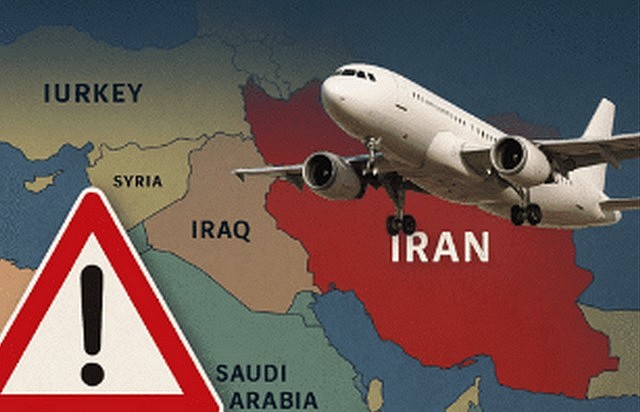
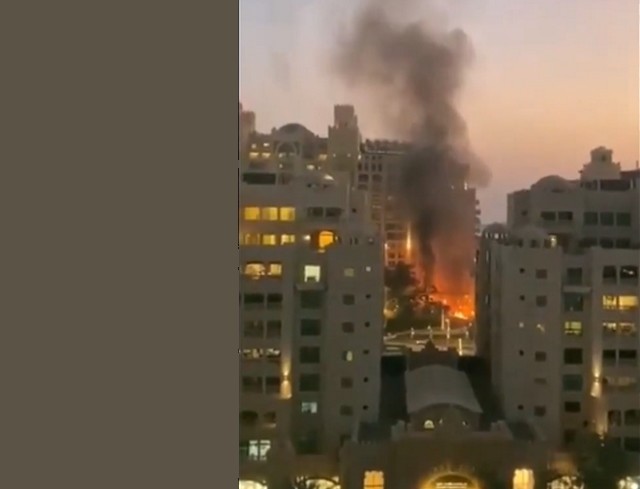
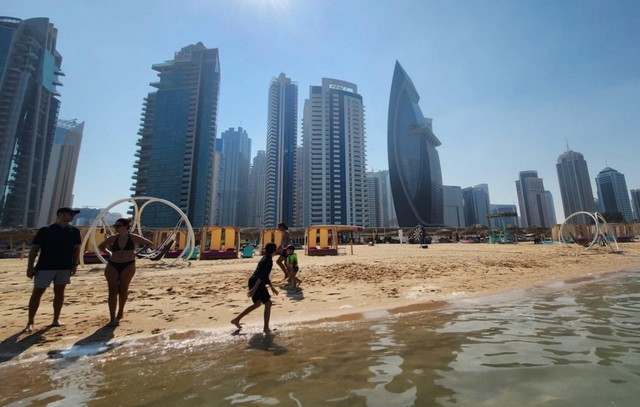
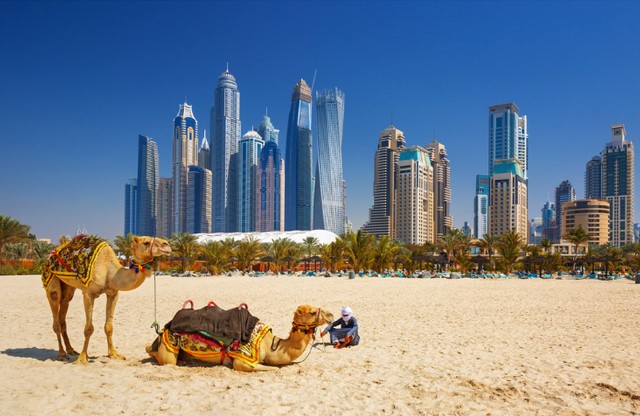
The escalation of military tensions involving Israel, the United States, and Iran at the start of 2026 is placing the global aviation and tourism sectors under extreme pressure. The culmination of this pressure was Saturday’s bombing of the Fairmont hotel on Dubai’s famous artificial island, The Palm. A direct confrontation in this area is not limited to a regional conflict, but has a seismic impact on global transportation flows.
The Closure of Strategic Air Corridors
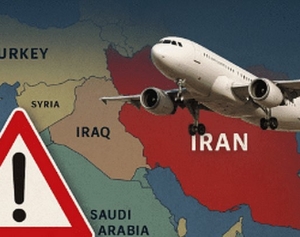
 Iran occupies a pivotal geographical position for routes connecting Europe to Asia and the Middle East.
In the event of an attack, Iranian, Iraqi, and potentially Syrian or Lebanese airspace become no-fly zones.
Airlines must then bypass these zones to the north (Turkey/Central Asia) or to the south (Egypt/Saudi Arabia).
These detours add between 1.5 and 3 hours to flight times for routes such as Paris-Bangkok or London-Dubai. This results in record fuel consumption and a cascade of delays.
The Impact on Gulf Hubs
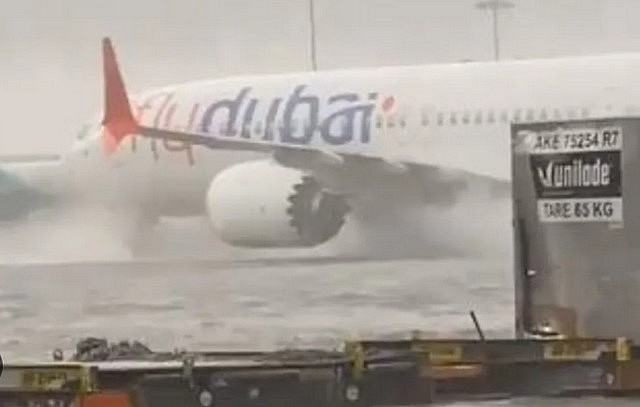 Dubai (Emirates), Doha (Qatar Airways), and Abu Dhabi (Etihad) are the lifeblood of global air transit.
The immediate proximity of these airports to conflict zones makes operations perilous.
If missile debris or air defense systems saturate the skies, these hubs could temporarily close, stranding millions of transit passengers.
As observed during previous crises, American and European airlines generally suspend flights to these destinations as soon as the risk of a « mistaken strike » increases.
As you read these lines today, Dubai Airport remains closed.
 The Economic Shock: Fuel and Insurance
Global tourism is extremely sensitive to operating costs.
An attack on Iran threatens the Strait of Hormuz, through which 20% of the world’s oil passes.
A surge in the price of oil is immediately reflected in airline ticket prices through fuel surcharges.
Insurers drastically increase premiums for aircraft flying over or landing in the Middle East.
This additional cost makes some routes unprofitable, leading to their outright cancellation.
 Traveler Psychology and the « Domino Effect »
Tourism is also an industry of perception.
Beyond Iran and Israel, the entire region (Egypt, Jordan, Cyprus, Turkey) is experiencing massive cancellations due to the « precautionary principle. »
 A sudden shift in air traffic towards Western Europe, the Americas, and Southeast Asia (via the Pacific route) is observed, creating saturation and price increases in these safe havens.
« The situation is all the more critical, » explains a specialist tour operator, « as global fleets are barely emerging from post-pandemic restructuring and are facing spare parts shortages.
A prolonged blockade of Middle Eastern airspace could force some struggling airlines into bankruptcy. »

On the same subject

Bloody settling of scores in Mexico
The physical elimination of Nemesio Oseguera Cervantes, alias « El Mencho, » the feared leader of...

Gentengisasi : The Grand Plan for a Rust-Free Indonesia
“Indonesia is booming, Indonesia must be strong, Indonesia must be beautiful,” declared Indonesian President...

Hello Kitty, how the cat is already surpassing the horse in the land of the rising sun
While much of Asia celebrated the Year of the Horse this week, Japan once...



