

Rock-bottom prices in the airline industry : a truly good idea that isn’t really so good ?
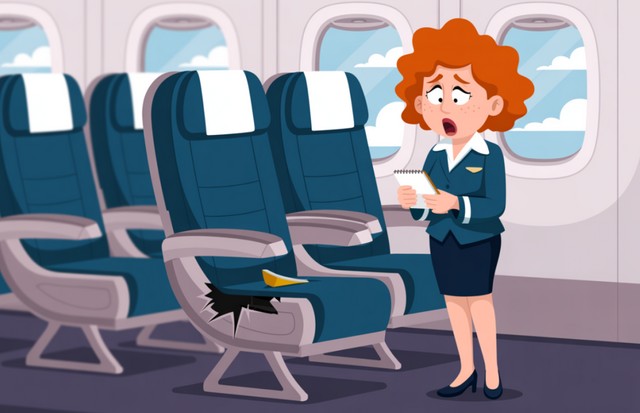
Iberia started the year 2026 with a pricing campaign offering domestic tickets from 21 euros (€21 one way from Madrid to Ibiza, Granada, Oviedo and Pamplona) for Iberia Club members and since yesterday 8 January for all customers. As for Air Europa, it has just launched a new « Time To Fly » campaign with flights starting at €25 to celebrate the arrival of 2026. This offer is valid until January 18th and applies to flights departing from Madrid-Barajas Airport. The offer allows travel to destinations in Europe starting at €25 and to Africa starting at €29.
While these fares of €21 or €29 (the price of a pizza and a soda in 2026!) may seem like a bargain for consumers, they actually represent a major challenge, even a danger, to the long-term stability of the airline and tourism sectors.
A « floor » pricing strategy often deemed harmful by experts
 For the airline industry: Increased economic fragility
At this price, the airline doesn’t even cover airport taxes and fuel costs. By selling at a loss (or with a tiny margin), airlines don’t generate the profits needed for investment.
Yet, by 2026, the industry needs to finance billions of euros for decarbonization (purchasing sustainable aviation fuels, fleet renewal).
 Customers end up thinking that flying is a low-value service. This makes accepting future price increases (which are nevertheless necessary for the sector’s survival) very difficult from a social standpoint.
To maintain such low prices, airlines are often forced to drastically reduce labor costs, leading to social unrest and repeated strikes.
For the Tourism Industry: The « Overtourism » Trap
 The price of transportation is often the trigger for travel. If it is negligible, it generates perverse effects: Destination saturation:
These low prices encourage « mass tourism » in already overcrowded cities (like Barcelona or Venice). This degrades the quality of life for locals and the visitor experience.
It is often observed that a « low-cost » flight attracts tourists who spend little while they are there.
The ratio of « harm to the destination / economic benefit » then becomes negative for local populations.
 By artificially stimulating demand year-round, we prevent local ecosystems from « breathing fresh air, » which depletes natural resources and infrastructure.
An Environmental Paradox
In 2026, the climate emergency is at the forefront of concerns. The lower the prices, the more frequently people travel.
This negates all the technological efforts made to reduce CO2 emissions.
These low prices give the impression that the airline industry is not taking its environmental responsibilities seriously, which reinforces « flight shaming. »

On the same subject

Return flights from Thailand: where do we stand ?
The situation regarding return flights from Thailand on Thursday, March 5, 2026, is marked...

Dubai airport is cautiously reopening. Doha remains closed
Dubai International Airport (DXB), the Middle East’s premier air hub, began a gradual and...

Air travel news: Volotea, Sky Express, American Airlines, All Nippon Airways, Avelo Airlines, TAP Air Portugal, etc.
Airlines canceled nearly 40% of their flights to Israel and 6.7% of their flights...



