

Philae, an incredible rebirth
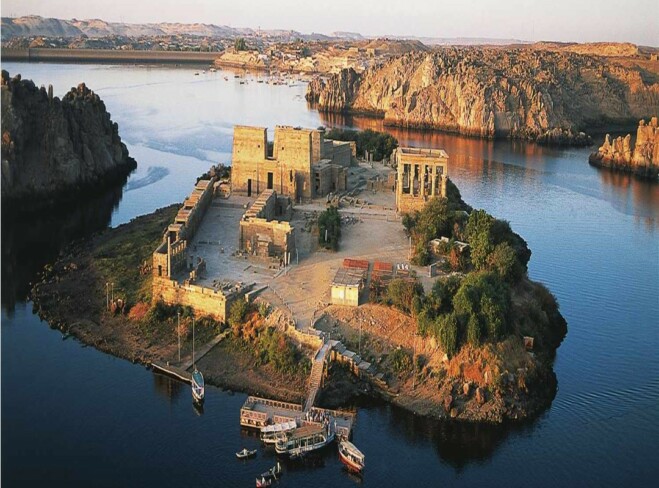
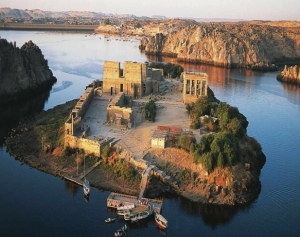
The Temple of Philae, pearl of the Nile and eternal sanctuary of the goddess Isis, is experiencing a true technological and cultural renaissance at the beginning of 2026, once again dazzling the world.
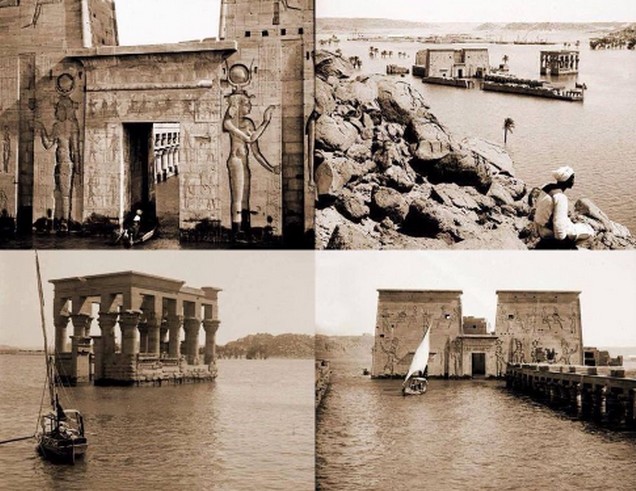
 Saved from the rising waters in the 1970s thanks to an unprecedented international effort led by UNESCO, the majestic structure, moved stone by stone to Agilkia Island to escape the rising waters of the Aswan Dam, has just benefited from a vast final restoration program that has restored its former splendor.
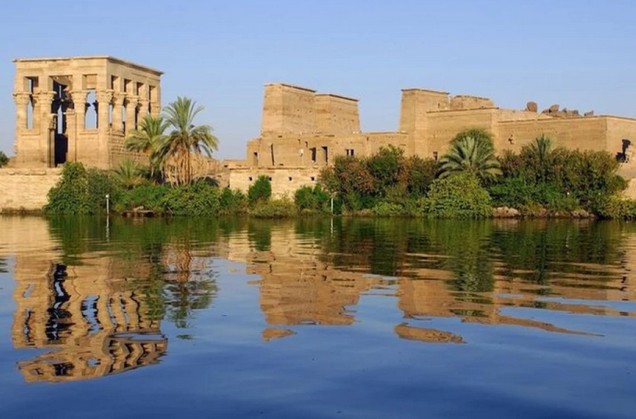 The work, completed at the end of 2025, stabilized the foundations against salt erosion and cleaned the ancient reliefs, revealing architectural details thought to have been lost forever to the ravages of time.
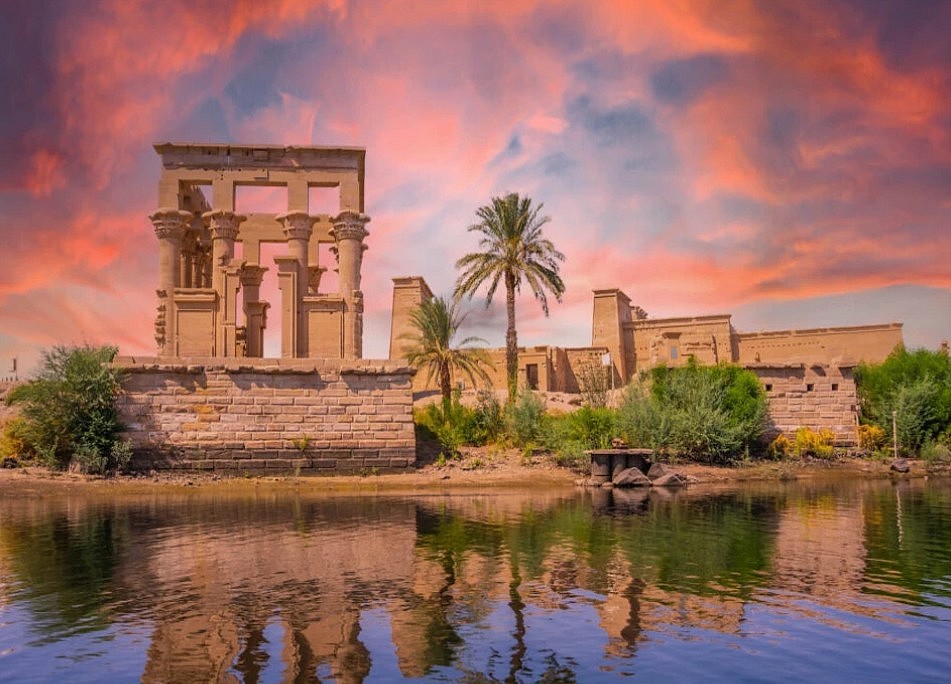
 This transformation isn’t limited to the stonework, as the site has been equipped with a completely redesigned, low-energy dynamic lighting system, transforming the Ptolemaic colonnades into a theater of light after nightfall, while minimizing the ecological impact on the surrounding Nile ecosystem.
Visitors now access the complex via new floating walkways and digital interpretation centers that immerse the public in the history of this last stronghold of hieroglyphic writing.
The rebirth of Philae is not just an engineering feat, it is a symbol of Egypt’s cultural resilience which, by combining its ancient treasures with 21st century technologies, proves that the memory of the gods can triumph over the vagaries of modern history to continue to fascinate travelers from all over the world.

On the same subject

The Baltic Wall
Faced with growing geopolitical tensions on Europe’s eastern flank, Estonia and Latvia are taking...

Utah, the American West from an Art and Culture Perspective
When you think of Utah, the first images that come to mind are those...

Beyond Death : A Journey to the Heart of the 5 Most Unusual Cemeteries in the World
Although they may initially appear sad and gloomy, cemeteries are increasingly captivating travelers seeking...



