

Cuban tourism is now hitting people in the wallet

Last Friday, the Cuban government informed foreign companies that had invested on the island that they would not be able to withdraw or transfer abroad any foreign currency already deposited in Cuban banks. Instead, it offered them a new type of account, called a « real account, » where only foreign currency deposits are permitted and which, in principle, can be withdrawn or transferred abroad.
This measure expands upon a mechanism that Havana had already tested on a smaller scale during the first half of the year, as part of its efforts to attract liquidity in the face of the financial system’s inability to generate it on its own.
 However, some companies have reported that even these new accounts are experiencing difficulties withdrawing cash or repatriating funds, reinforcing the impression of a freeze on foreign investment.
The same message was conveyed to the diplomatic corps accredited to Cuba.
At a recent meeting, they were informed that at a later date, foreign currency received from abroad could be withdrawn or sent out of the country.
A similar mechanism was proposed for embassies, without, however, requiring the opening of new foreign currency accounts.
This measure comes in a particularly fragile economic context: a widespread shortage of foreign currency; a 70% drop in remittances; a roughly 50% collapse in tourism; rampant inflation; and a highly distorted exchange rate, with an official rate of 24 pesos to the dollar compared to approximately 450 on the parallel market.
 This context significantly limits the activities of foreign companies on the island.
Spanish hotel groups are among the most exposed, as they manage a significant portion of Cuba’s hotel capacity, particularly in the holiday tourism sector.
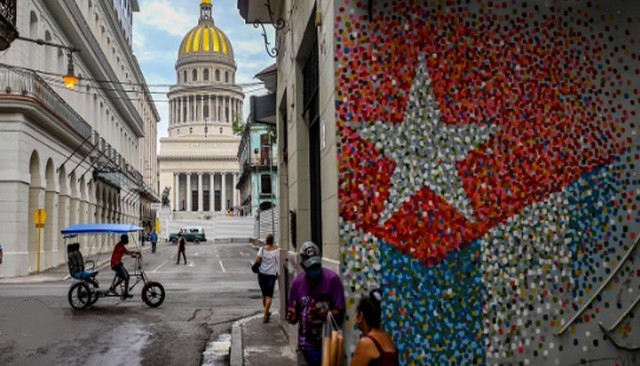 For example, Meliá operates 35 properties in nine Cuban destinations, while Iberostar owns nearly 20 across the country.
Their significant presence in the tourism sector makes these chains particularly vulnerable to the new restrictions.
All of these factors—exchange controls, a lack of regulatory clarity, and the strong presence of Spanish companies in the Cuban market—create a context of increasing risk.
To date, neither the Central Bank of Cuba nor the government has provided a public explanation regarding the scope of these measures, which only increases uncertainty and concerns among foreign investors.

On the same subject

These ancient Ramadan drums still beat the wake-up call
In the nocturnal silence of the Ayvansaray heights, in the heart of Istanbul’s conservative...

Tourism in danger in the Middle East: how far will they stop ?
The escalation of military tensions involving Israel, the United States, and Iran at the...

Bloody settling of scores in Mexico
The physical elimination of Nemesio Oseguera Cervantes, alias « El Mencho, » the feared leader of...



