North Korean leader Kim Jong Un has taken a historic step by formally designating his daughter, Ju Ae, as his heir apparent on the eve of a major Party conference, according to revelations made on Thursday, February 12, 2026, by South Korean intelligence services (NIS).
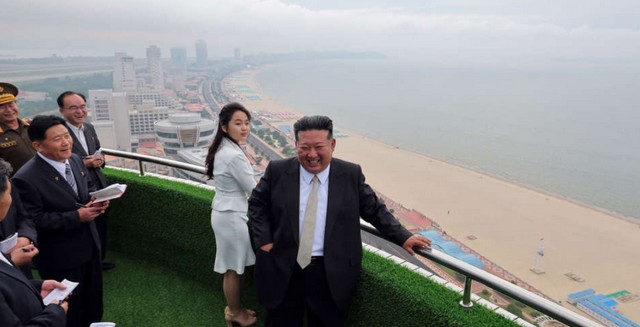 During a parliamentary briefing in Seoul, lawmaker Lee Seong-kweun confirmed that the teenager is now clearly « designated as successor, » a decision that perpetuates the Kim family’s decades-long grip on the country through the sacred cult of the « Paektu lineage. »
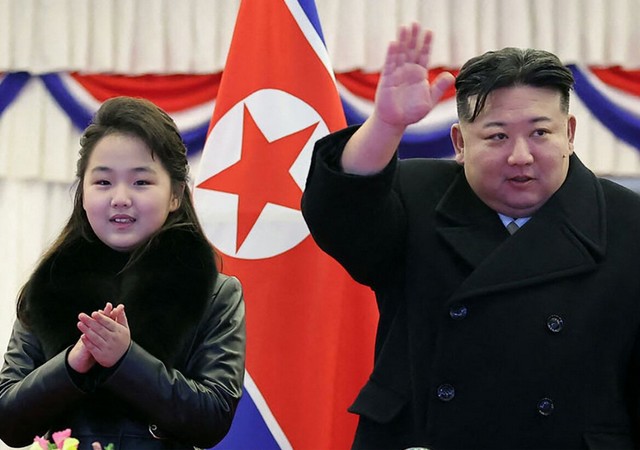 This assessment is based on an increasingly strategic public presence at high-level official events, but above all on indications that Ju Ae is now actively participating in discussions on government policy.
[img class= »size-full wp-image-168504 alignleft » src= »https://www.laquotidienne.fr/wp-content/uploads/2026/02/coree-1.jpg » alt= » » width= »640″ height= »450″>Her status had already been strengthened last year during a highly publicized diplomatic visit to Beijing alongside her father, marking her introduction onto the international stage as a figure of continuity for this nuclear-armed and isolated country.
] The choice of Kim Ju Ae, long considered a possibility, now appears to be a done deal by the state apparatus, transforming each of the young girl’s appearances—whether at military inspections or state banquets—into a powerful signal of dynastic unity.
This long-planned transition suggests a desire to stabilize the regime in the face of external pressures, while simultaneously training the future leader in the intricacies of totalitarian power from a very young age.
By placing his daughter at the heart of governance, Kim Jong Un is not simply designating an heir; he is locking North Korea’s future into a family legacy that nothing, not even the global geopolitical shifts of 2026, seems capable of shaking.