The introduction of yellow and red cards in modern football was not simply an aesthetic choice, but a communication revolution born from the chaos of the 1966 World Cup during a memorable quarter-final between England and Argentina.
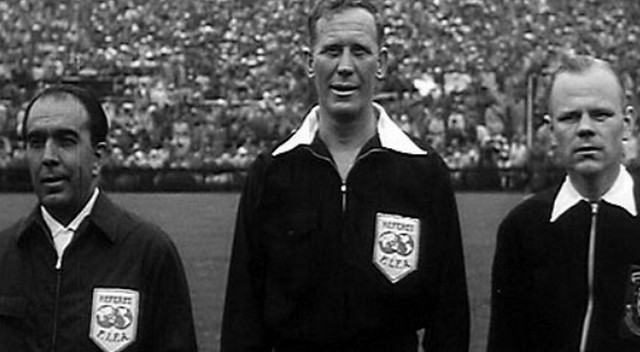 At that time, warnings were only verbal, which caused major misunderstandings between referees and players of different nationalities, as illustrated by the controversial sending-off of Argentinian Antonio Rattín, who claimed not to have understood the order from German referee Rudolf Kreitlein, or the confusion of the Charlton brothers, who only discovered their official yellow card in the press. The day after the match.
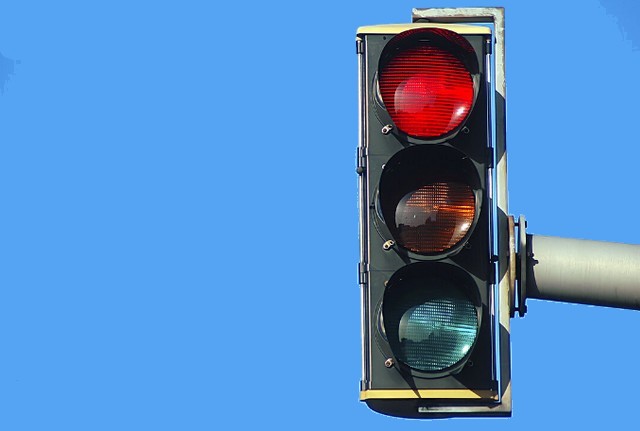 Faced with this linguistic confusion and the need for immediate clarity, British referee Ken Aston, then head of referees at FIFA, had a revelation while stopping at a road junction: observing the traffic lights, he realized that yellow (caution/slow down) and red (stop/danger) constituted a universal visual language capable of transcending all language barriers.
This color code was officially adopted by FIFA for the 1970 World Cup in Mexico, where the first yellow card in history was given to Soviet player Kakhi Asatiani, although no red cards were issued during that tournament.
 Today, the system is strictly codified by the Laws of the Game: a yellow card serves as a formal warning for unsportsmanlike conduct, dissent, or repeated fouls, while a red card results in immediate expulsion for serious foul play, an act of brutality, or after receiving a second yellow card in the same match.
This innovation by Ken Aston not only pacified exchanges on the field by making sanctions indisputable and visible to all, from players to spectators in the stands, but it also made it possible to standardize the sporting discipline on a global scale, making these small colored rectangles universal symbols of respect for the rule and the authority of the referee inseparable from the culture of contemporary football.