Faced with a demographic decline that has now entered its third consecutive year, the Chinese government is preparing to shock the public and impact their wallets with a radical measure: the end of the tax exemption on contraceptive products, effective January 1, 2026.
By reintroducing condoms and contraceptive pills to the standard 13% VAT rate, Beijing is ending an exception dating back to the 1990s, which was originally intended to support the one-child policy.
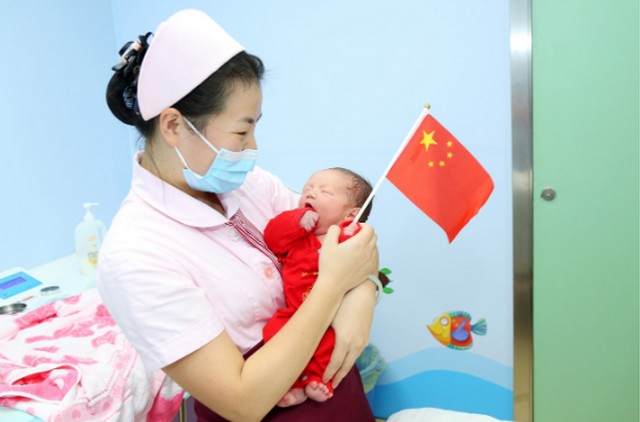 This tax cover is seen by analysts as a desperate attempt to slow down a social and economic « time bomb, » as the country built its global power on an abundant and cheap labor force that is now dwindling due to the combined effects of rapid aging and a sharp decline in the number of marriages.
 To reverse the declining birth rate, which has been falling since 2023, Beijing is deploying a comprehensive range of incentives, from cash bonuses at birth to massive housing subsidies for large families.
The government is also ramping up structural efforts, including the creation of subsidized public daycare centers, the extension of maternity leave—which now reaches 158 days in the capital—and the imminent introduction of paid paternity leave, all aimed at removing financial and social barriers to having children.
Despite this tax pressure on contraception, the challenge remains immense: between the high cost of living and the changing mentality of an urban youth less inclined to marriage, China must reinvent its growth model to avoid seeing its economic engine run out of steam due to a lack of generational renewal.