Beijing, a megacity of over 21 million inhabitants, has been waging a war of attrition against urban congestion for two decades, relying on a technological and legislative arsenal unparalleled in the world.
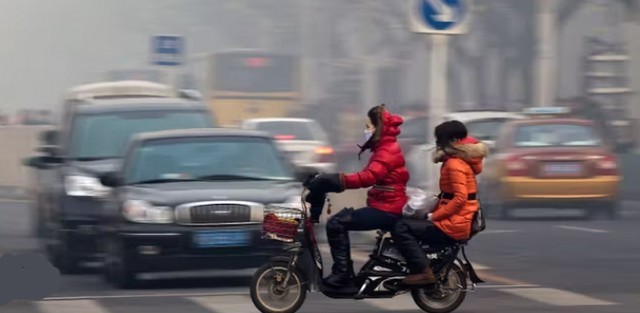 The core of this strategy lies in the « lottery-based vehicle registration » system and alternate-day driving restrictions: to limit the number of vehicles on the road, the authorities allocate license plates only through a very restrictive monthly lottery, while simultaneously banning certain vehicles each weekday based on the last digit of their license plate.
To go further, the city is now relying on artificial intelligence and « City Brains, » algorithms capable of synchronizing thousands of traffic lights in real time using data from bus cameras and GPS, thus reducing travel time by nearly 15% in some neighborhoods.
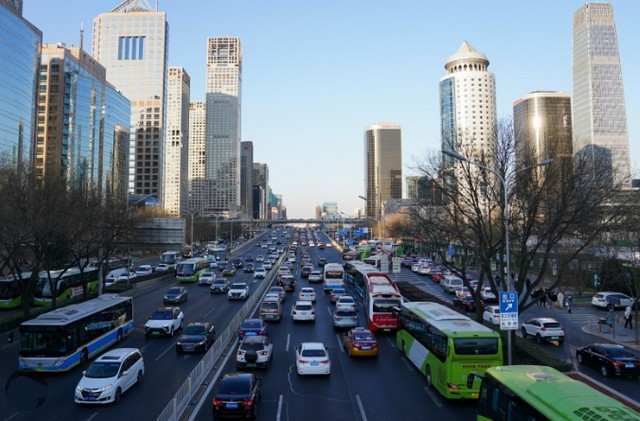 The massive development of public transportation remains the other major lever: the Beijing metro, now one of the longest in the world, continues to expand with automated lines, while dedicated bus lanes are multiplying on the ring roads (the famous « ring roads » 2 to 6).
At the same time, the city is encouraging the transition to new energy vehicles (NEVs) by offering easier registration for electric cars, while also developing a network of protected cycle paths to revive cycling, once the dominant mode of transport in the capital.
Despite these efforts, the challenge of urban sprawl remains immense, prompting urban planners to rethink the city towards a model of « 15-minute districts, » where the need for travel is reduced by grouping work, services, and leisure activities within the same area.