As the 2026 FIFA World Cup approaches, tensions are rising between the US tourism industry and the Trump administration, with hoteliers and other industry professionals increasingly calling for an urgent easing of visa restrictions.
Worried about thousands of foreign fans being stranded by complex administrative procedures or stricter immigration policies, industry players fear a devastating economic impact on host cities that have invested billions in infrastructure.
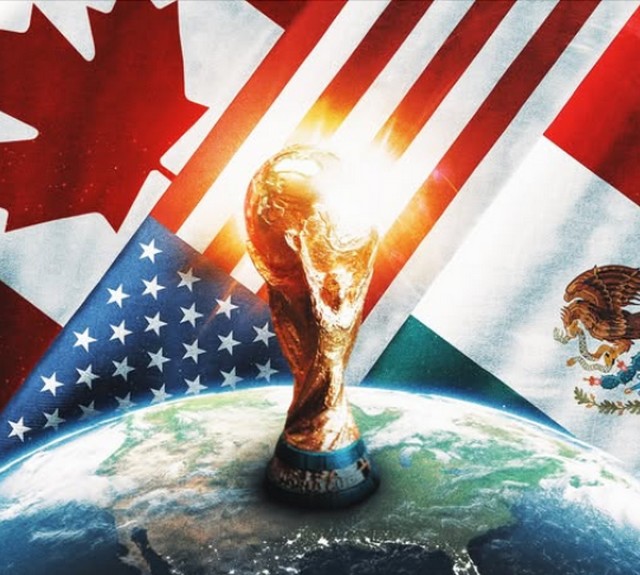 “He would be doing the country a service if he addressed the media and clearly stated that foreign travelers coming to attend the World Cup would be welcome,” argue representatives of major hotel chains, emphasizing that a strong political signal is necessary to dispel fears of boycotts or mass border turnsaways.
The stakes are high because the success of this global event depends on the smooth flow of international travel, and many observers fear that the United States’ image will suffer from a “closed doors” policy in the middle of the tournament.
 Faced with rumors of a boycott by certain federations or fans from countries subject to specific restrictions, tourism professionals are calling for the implementation of temporary « sports visas » or an expedited procedure for match ticket holders to ensure that stadiums are full and that the financial benefits fully accrue to the American economy.
This pressure from tourism lobbies presents the White House with a strategic dilemma: maintain a hard line on immigration or prioritize the diplomatic prestige and commercial success of the world’s largest sporting event.