

Tourism in Indonesia and Singapore remains shrouded in uncertainty
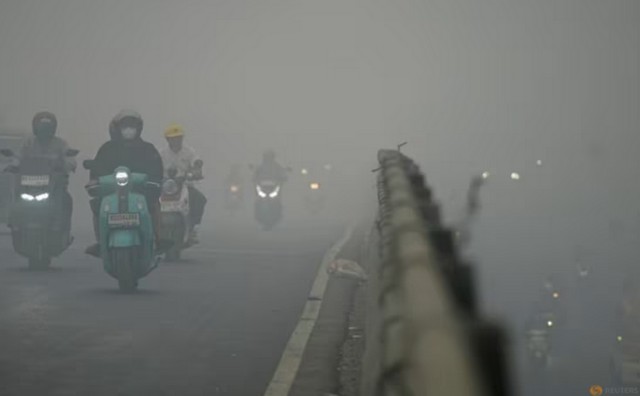
A severe, pollution-driven haze has made a major comeback at the worst possible time for Singapore—just as the city-state was named the most polluted city in the world, coinciding with the launch of its Formula 1 Grand Prix. Faced with this stifling smog, governments are taking immediate action to protect their populations.
 Singapore is releasing medical subsidies to improve access to respiratory treatments.
Meanwhile, neighboring Malaysia has opted to temporarily close schools in the most severely affected areas.
There is growing pressure to pursue legal action against the polluters. However, legal experts point out that such litigation carries significant diplomatic risks.
Nevertheless, the Transboundary Haze Pollution Act of 2014 provides a clear legal framework.
This legislation allows for legal action against foreign companies whose operations cause smoke and haze in Singapore.
 Local authorities can demand specific information or issue formal notices. Victims of this toxic pollution also have avenues to hold those responsible accountable.
Minister for the Environment Grace Fu has confirmed that preventive notices have been sent to seven Indonesian companies. These companies are being directly singled out as responsible for the fires at the root of the current crisis. The warnings demand the immediate deployment of firefighters to extinguish the blazes on their land.
A diplomatic and legal standoff is now underway, aimed at clearing the smoke from the skies over Asia.
No smoke without fire
 Singapore’s National Environment Agency is intensifying its offensive against transboundary pollution.
The agency is targeting three additional Indonesian companies operating in Kalimantan.
These firms bring the total number of companies facing legal action under the Transboundary Haze Pollution Act (THPA) to ten.
Smoke emanating from their concessions is believed to have directly degraded air quality in Singapore.
 Meanwhile, Indonesia is testing the use of dry ice to induce rainfall and extinguish forest fires. Two operations carried out in South Sumatra involved the release of 2.4 tonnes of the substance.
President Prabowo Subianto has personally ordered that meteorological assessments continue.
The National Disaster Management Agency considers the technology promising and is exploring the possibility of a nationwide rollout.
In Palembang, visibility temporarily improved, reaching up to 6,000 metres. The authorities are closely monitoring local air traffic to gauge the actual effectiveness of the measures in place.
Air quality, however, remains unstable and continues to disrupt the region’s tourism sector.


On the same subject

Anak Krakatoa strikes with full force
Following a spectacular double eruption of the Anak Krakatoa volcano—located approximately 150 kilometers from...

They are overwhelmed and have now lost everything
Torrential rains of unprecedented intensity continue to ravage eastern Pakistan this Monday, July 27,...

Money, the big winner of the 2026 FIFA World Cup
Beyond Spain’s final victory over Argentina, the financial outcome of the 2026 World Cup—co-hosted...



