The Jama Masjid, although world-famous and one of New Delhi’s most visited monuments, holds untapped potential for discovery that lies less in its visible architecture than in the depths of its history and its underground archaeological features.
Here is what remains to be explored or brought to light
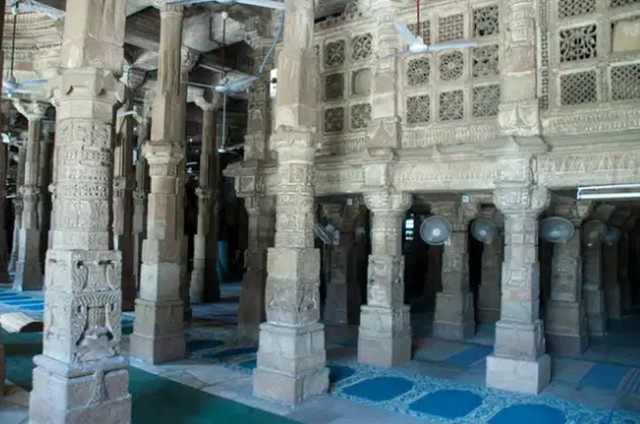 The Underground Network and Royal Secrets: Although the mosque is a masterpiece of Mughal architecture completed in 1656, historical accounts (mentioned in letters and ancient books) refer to the existence of underground passages that once connected the mosque to the nearby Red Fort (the royal residence). Imperial).
These tunnels were used, in particular, to allow the women of the royal family to attend prayers while respecting the tradition of purdah (seclusion of women).
Archaeological exploration and precise documentation of these passages and their potential state of preservation remain areas where discoveries could be made.
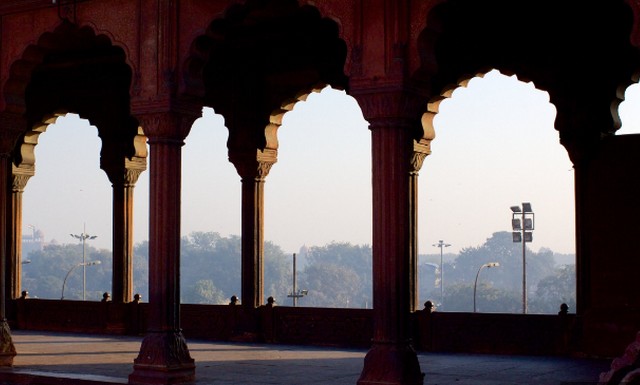 The Adjacent Royal Hospital: Records indicate that a royal hospital once stood at the north gate of the Great Mosque.
This hospital, which provided free care, no longer exists.
Archaeological excavations in this area could reveal foundations or artifacts related to this 17th-century medical institution, offering insight into Mughal social infrastructure.
The Jama Masjid has been a center of intense spiritual life for nearly four centuries.
Further research into the mosque’s archives, donation records, and written accounts could reveal more about daily life, its social role, and the major events that took place there over the centuries.
Although a reliquary already contains precious objects (a hair of the Prophet, his sandals and a Quran on deerskin), the possibility of the existence of other artifacts linked to Emperor Shah Jahan or to the Imam of Bukhara who inaugurated it is still open.