In the nocturnal silence of the Ayvansaray heights, in the heart of Istanbul’s conservative Fatih district, Hakan Özbingöl’s drum resonates like an echo of the past, perpetuating an unchanging Ottoman tradition for over 55 years.
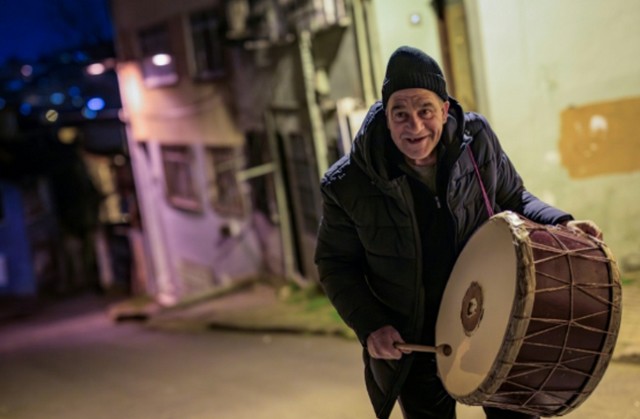 In March 2026, as Ramadan reaches its peak until Eid al-Fitr on March 20, this davulcu (davul player, the traditional double-headed drum) roams the steep alleyways to sound the call to suhoor, the last meal before the daily fast.
Far from being a simple alarm clock in the age of smartphones, the davulcu embodies a living memory: according to Professor Harun Korkmaz, a music historian at Istanbul University, this custom has its roots in the late 19th century in the tradition of the mehters, the Ottoman military bands that once set the rhythm of city life.
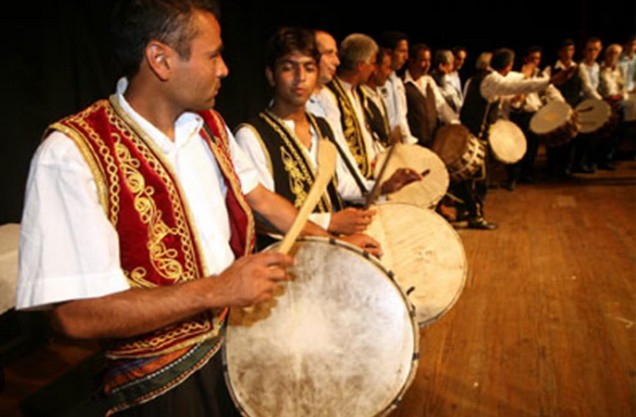 Hakan Özbingöl, a respected figure in the neighborhood, doesn’t just strike the skin of his drum; he chants manis, short rhymed poems often improvised, to greet families and invoke blessings upon the community, transforming his rounds into a poetic and social performance.
Despite the megacity’s rapid modernization, the Istanbul municipality continues to issue official permits to more than 3,000 drummers, recognizing their crucial role in the city’s cultural identity.
In 2026, this tradition survives thanks to the generosity of the inhabitants who, according to custom, give tips to the musicians at mid-Ramadan and during the final celebration, thus sealing a pact of solidarity and respect between generations in one of the most vibrant cities in the Muslim world.