It’s perfectly natural to feel some apprehension at the dawn of a new year, especially after the turbulence the world experienced in 2025. To say that 2026 will be « worse » is a pessimistic projection, but it’s true that several indicators point to increased tensions and systemic challenges that will come to a head in this new year.
The Social Impact of Artificial Intelligence
 If 2024 and 2025 were years of technological wonder, 2026 could be one of painful adjustments.
Many companies are reaching the end of their AI integration phase.
There are concerns that 2026 will see an acceleration of restructuring in the service, customer service, and coding sectors.
 With increasingly undetectable content creation tools, the line between reality and manipulation will become a major national security issue, particularly for democratic processes.
An Economy Under High Tension
After years of fighting inflation, the global economy is entering a fragile phase:
The Debt Wall: Many countries and businesses must refinance their low-interest debts before 2022.
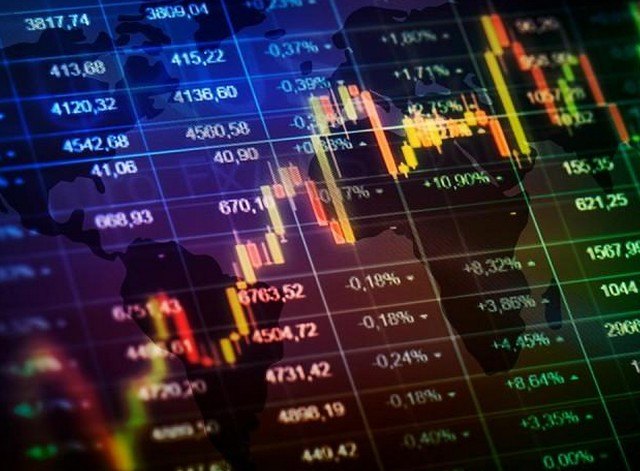 In 2026, with interest rates remaining high, the cost of repayment could weigh heavily on public budgets and growth.
The Energy Transition: The real cost of decarbonization is beginning to impact household purchasing power, creating risks of social unrest similar to past protest movements.
Geopolitics: Deepening Conflicts
Unfortunately, the tensions observed in 2025 show no signs of a swift resolution:
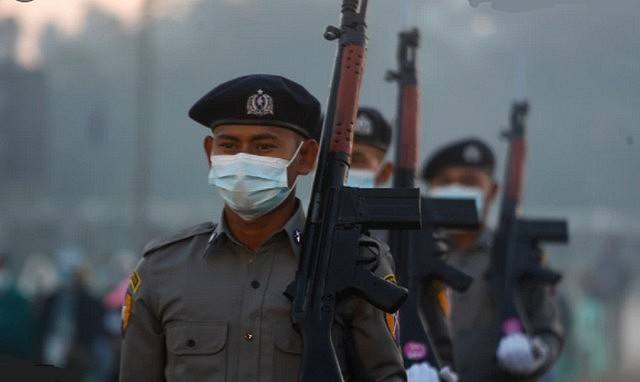 Whether in Ukraine or the Middle East, conflicts appear to be protracted, disrupting trade routes and keeping energy and commodity prices at volatile levels.
The divide between the Western bloc and the BRICS+ countries could widen, making international cooperation on climate and global health more difficult.
Climate: The Recurrence of Extremes
Climate models suggest that 2026 could be marked by the repercussions of intense weather cycles:
Extreme Events: The increasing frequency of heat waves and flash floods is putting a strain on urban infrastructure that has not yet been adapted.
Food Security: Agricultural disruptions linked to droughts could lead to higher food prices, a factor of political instability in the most vulnerable countries.