Traveler expectations are evolving and gradually transforming tourism trends. Trips are gaining value when they combine authentic experiences with cultural immersion. According to the ETC’s « Monitoring Sentiment for Intra-European Travel » report, 60% of European travelers plan to stay in a single destination in the coming months, favoring a more in-depth exploration of different regions.
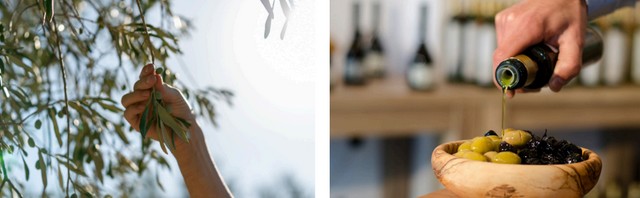 Among the most iconic experiences in Turkey, participating in seasonal harvests holds a prominent place.
The olive harvest, particularly significant in the Aegean region between October and January, is the most vivid example.
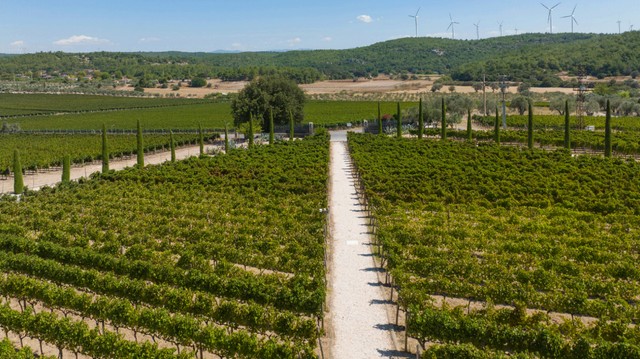 Thanks to its Mediterranean climate and a long-standing olive-growing tradition, Turkey is among the world’s leading producers.
In the autumn, local communities begin the harvest and then transport the olives to the mills where internationally renowned oil is produced.
Aegean: The Heart of Turkish Olive-Growing Tradition
The olive tree holds a major place in Anatolian culture, and some traditions even trace its origins to these lands.
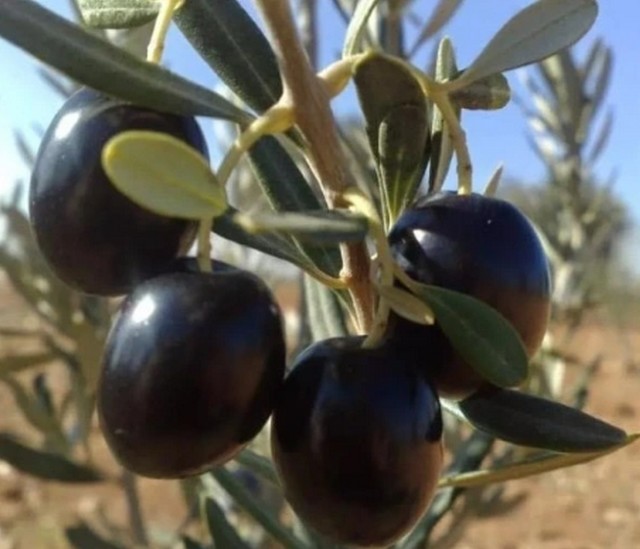 Today, from the Aegean to the Sea of Marmara, from the Mediterranean to the Southeast, olive trees are cultivated throughout the country.
With 50 to 80 registered varieties, Turkey is among the top five producers of olives and olive oil in the world and is featured on the Council of Europe’s « Olive Routes. »
The Aegean coast alone accounts for 75% of the country’s olive groves.
From Çanakkale to Balıkesir, from Manisa to Izmir, and then on to Aydın and Muğla, the olive-growing landscapes bear witness to a centuries-old tradition.
With the arrival of the season, villages and families mobilize for the annual oil production. The sun-drenched olive groves then become places of activity and community.