At the end of January 2026, health authorities in the state of Kerala, in southern India, confirmed two cases of Nipah virus (NiV). This announcement triggered an immediate alert in the districts of Kozhikode and Malappuram, areas historically affected by this virus.
State of alert in Kerala
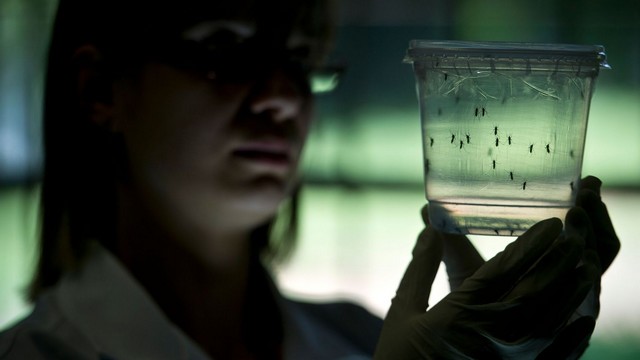 The confirmation followed tests conducted by the National Institute of Virology (NIV) in Pune. The two patients have been isolated and are under strict observation.
Authorities have reactivated the emergency protocols implemented during previous waves (notably the 2024 outbreak):
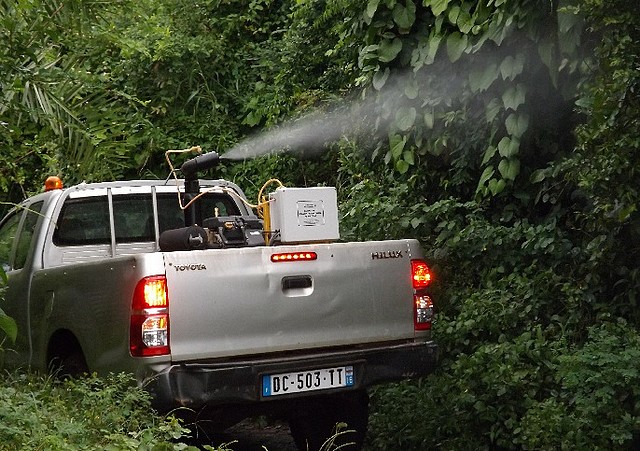 Several villages have been declared security zones with movement restrictions.
More than 150 « high-risk contacts » have been identified and placed in preventative quarantine.
Teams of foresters and scientists are capturing fruit bats (the natural reservoir of the virus) to analyze the current viral load.
Why is this virus a cause for concern?
Nipah is classified by the WHO as a research priority due to its epidemic potential and the lack of a vaccine or specific treatment.
The prevalence remains extremely high, ranging from 40% to 75% depending on the outbreak.
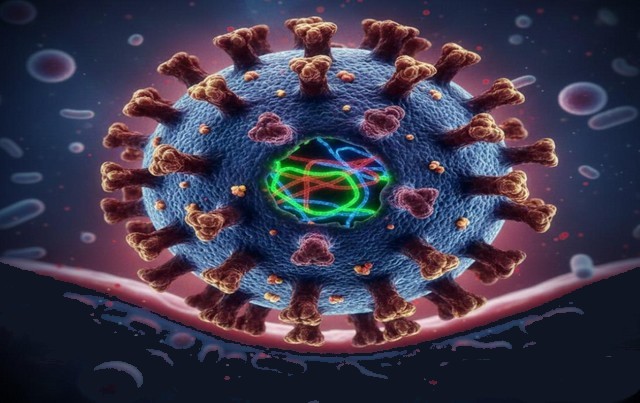 Symptoms range from acute respiratory failure to fatal encephalitis (inflammation of the brain).
The virus is transmitted from animals to humans (through the consumption of fruit contaminated by bat saliva or urine) but also through direct human-to-human contact.
The Indian Government’s Response
Unlike the initial outbreaks of the virus, India now has a more robust rapid response infrastructure.
The Minister of Health specified that stocks of monoclonal antibodies (an experimental treatment) have been shipped to Kerala.
Hospitals in the region have established dedicated intensive care units (ICUs) to prevent cross-contamination within healthcare facilities.