Faced with global uncertainties, British fashion is retreating to its historical strengths. A massive trend called « Brit-Core » is emerging, reviving tweed, tartan, and heavy knits, but with ultra-modern cuts.
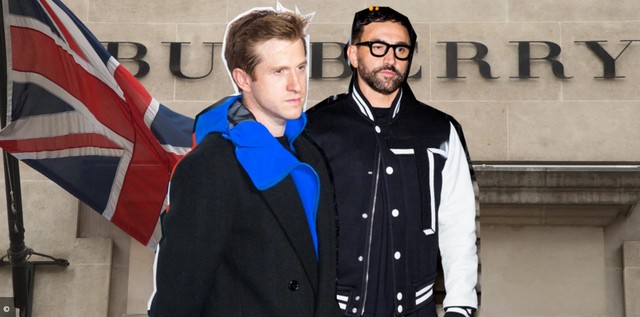
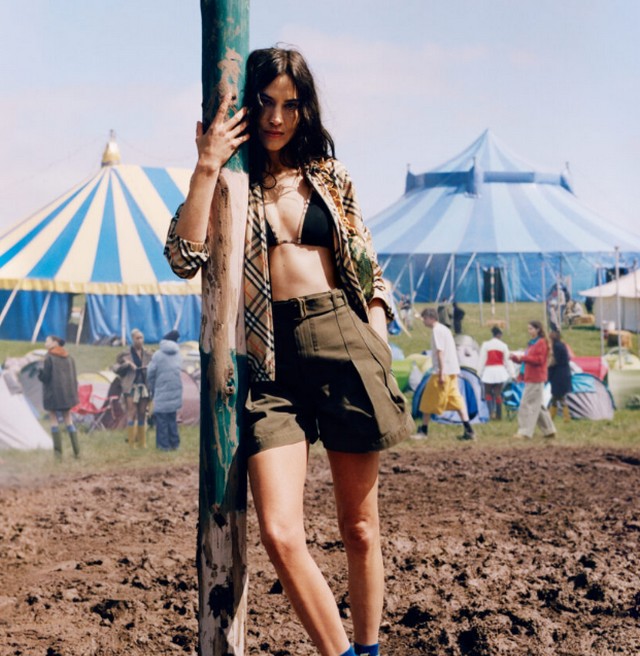 Iconic houses like Burberry, under the continued leadership of Daniel Lee, are emphasizing their « Made in UK » strategy, highlighting factories based in Yorkshire to appeal to customers seeking authenticity and sustainability.
Brit-Core (or « British-Core ») is much more than just a clothing trend; It has become a major strategic, economic, and cultural issue for the United Kingdom by 2026. Here’s why this movement is considered essential:
Brit-Core promotes « Made in UK. » By reviving demand for Scottish tweed, Yorkshire wool, and Manchester cotton, the country supports its own factories and local artisans.
Unlike fast fashion, Brit-Core champions robust and timeless pieces (gabardine coats, virgin wool sweaters) that retain their value on the secondhand market.
 Strengthening National Identity (« Soft Power »)
After years of post-Brexit uncertainty, fashion is being used as a tool for cultural influence.
Brit-Core doesn’t simply copy the past.
It blends aristocratic elegance (the « Country House » style) with the urban and multicultural energy of London.
This creates a strong and exportable brand image.
This movement is driven by major brands like Burberry and Barbour, but also by a new generation of designers who are reinventing the British uniform to make it appealing to global Gen Z.