The metropolis of Dubai, a tourist jewel of the United Arab Emirates, finds itself today at the heart of an unprecedented military escalation, becoming a direct target in Iranian retaliation following last Saturday’s US-Israeli strikes.
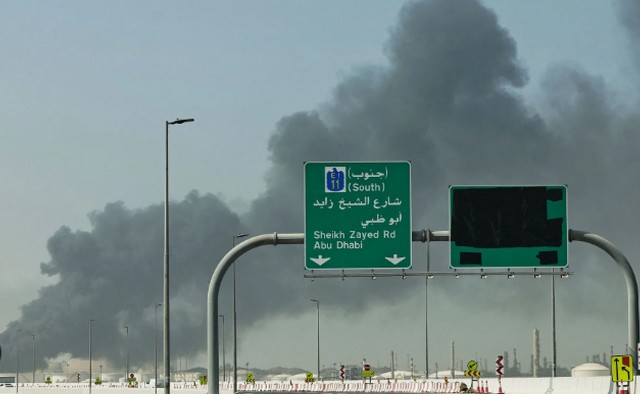 Viral videos posted by residents attest to the violence of the impacts, showing scenes of unprecedented panic, including the emergency evacuation of the Burj Khalifa, a global symbol of the city, and a drone crashing into a building near its base, triggering a massive fire visible for miles.
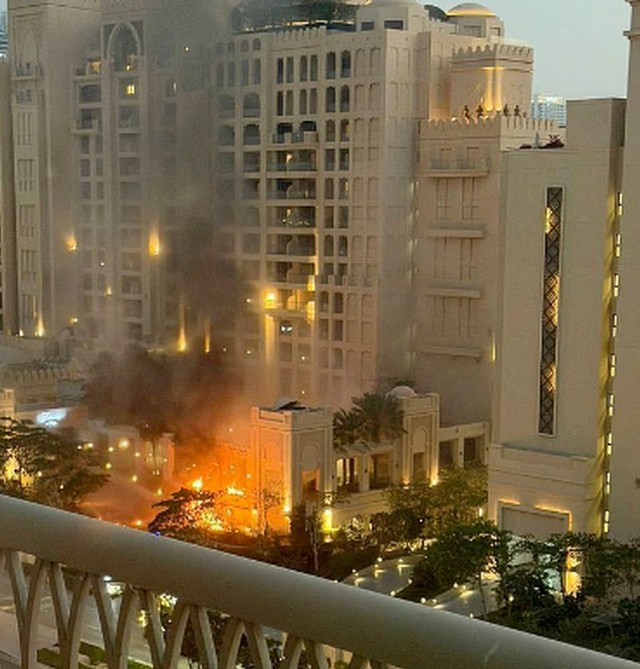 This sudden deterioration in security in the Gulf has transformed the region’s most visited destination into an active conflict zone, where civilian infrastructure and military bases are now closely intertwined within the reach of Iranian guidance systems.
The impact on travel is immediate, with international airlines suspending flights to Dubai International Airport (DXB), while the international community watches with concern as this destabilization of the nerve center of the Middle Eastern economy unfolds.
Thousands of travelers are in dire straits as regional airspace is completely closed following the barrage of missiles and explosions that are tearing through the skies of the Gulf.
In Dubai, the situation is considered alarming by French authorities, who estimate that more than 10,000 French nationals are currently stranded, not counting the approximately 20,000 expatriates living there—a number deemed « too large for immediate repatriation » according to consular services.
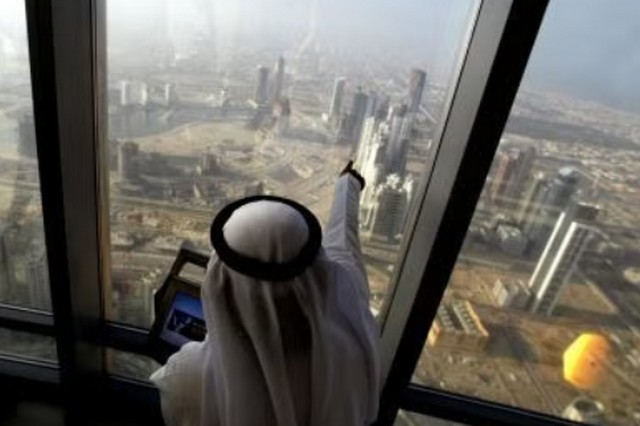 « It’s total chaos, missiles are flying overhead, we’re stuck waiting for a hypothetical flight without any information, » testifies a reader whose return was scheduled for tomorrow.
This systemic blockage is also affecting transit hubs: families are finding themselves stranded during layovers in Doha, Qatar, on their return from distant destinations like Nepal or the Maldives, with no visibility on when air corridors will reopen.
The Hajj under scrutiny
In the midst of Ramadan, this crisis is creating major uncertainty around the Hajj and pilgrimages to Saudi Arabia, as travel is completely halted by the closure of air routes over the Red Sea and the peninsula.
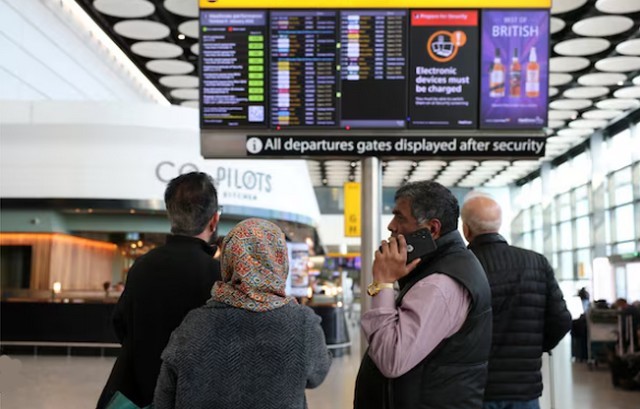 Faced with this major situation, French tour operators, under the umbrella of SETO (the French Association of Tour Operators), are working to reschedule departures and manage customer assistance on the ground, even though accommodation options are at capacity.
Regarding trips to Asia (Thailand, Vietnam, Indonesia), cancellations are multiplying because most flights transited through Gulf hubs; legally, travelers are entitled to a full refund or a voucher if travel becomes impossible, in accordance with the European directive on package holidays.
Airlines are attempting to reroute some flights via Africa or Central Asia, but these longer and more expensive routes are not enough to absorb the flow of thousands of passengers stranded in a Middle East that has become a diplomatic and military impasse.