Cuban’s tourism industry is teetering on the brink of collapse, with a near-total closure of its hotels planned for next week, a direct consequence of the abrupt halt to flights from Canada and Russia, its two vital markets.
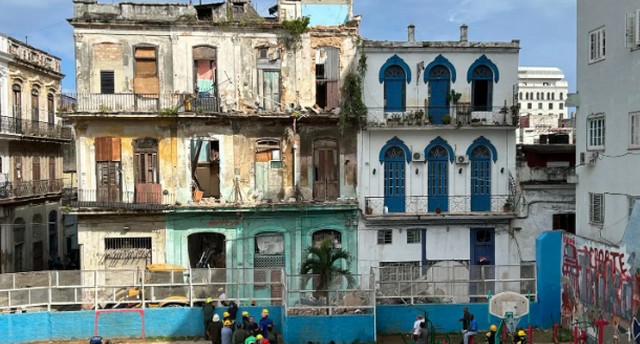 Faced with an unprecedented fuel shortage, giants like Meliá, Iberostar, and Valentin have already closed several establishments this month, while the CEO of Blau Hotels, José Velasco, admits the situation has become « very complicated. »
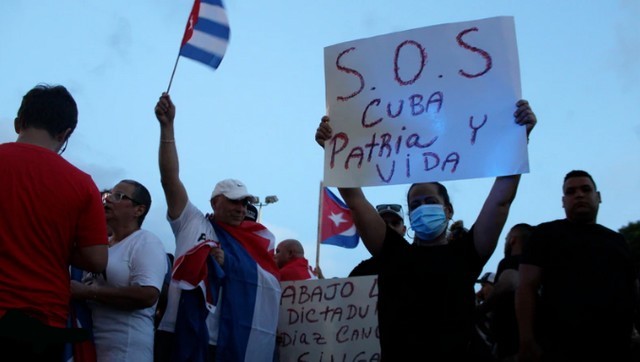 In a climate of every man for himself, the iconic Hotel Nacional serves as a makeshift refuge for displaced guests, while in Miramar, the Meliá’s lobbies are deserted, now only accommodating a few crews forced to make technical stops.
To maintain some semblance of connection with Europe, airlines like Air Europa and W2Fly are forced to make refueling stops in Santo Domingo, as the island is no longer able to supply kerosene to its visitors.
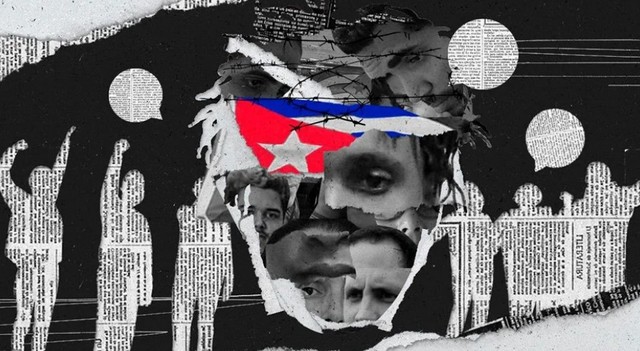 Yet, behind this economic slump where European investments are faltering in the face of chronic defaults, a behind-the-scenes negotiation is accelerating: US Secretary of State Marco Rubio is in talks with Raúl Castro’s inner circle—his son Alejandro, his grandson Raúl Guillermo, and his grandnephew Óscar Pérez-Oliva Fraga—to orchestrate an unprecedented economic opening.
This “transition for absolution” process could, if successful, lift the blockade and open the island to American giants such as Marriott, Hilton, and Hyatt, transforming this current tourist wasteland into a new frontier for the US market, while simultaneously guaranteeing the future of the Castro dynasty within a reformed market economy.