Australia remains one of the world’s most popular destinations for expatriation in 2026, attracting families and professionals with its unique career opportunities and legendary lifestyle, a blend of vibrant cities and the vast wilderness of the Outback.
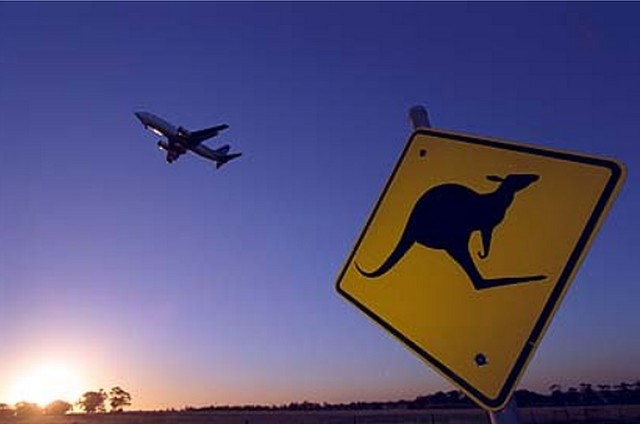 However, behind this image of absolute ease, the economic reality of the land of kangaroos demands rigorous preparation, as the cost of living is reaching historic highs this year.
According to updated data from Expatistan, the average monthly budget for a single person is now around AU$5,105, while a family of four needs approximately AU$8,801 to cover their basic needs.
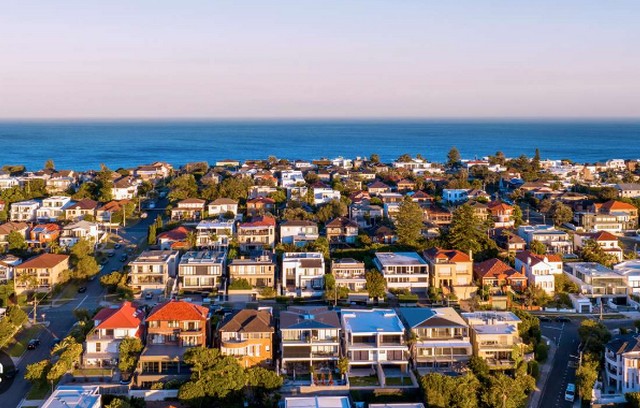 These figures place Australia among the most expensive nations, with a cost of living higher than 90% of the world’s countries (ranked 6th out of 61 indexed nations).
Access to a decent standard of living, however, depends on crucial geographical variables: while residing in the heart of Sydney, Brisbane, or Melbourne requires very high incomes, a single person living in a regional area will still need a gross annual salary of between AU$70,000 and AU$80,000 (more than AU$5,800 per month) to thrive.
This financial pressure is exacerbated by the housing crisis and rising utility costs, forcing newcomers to carefully weigh attractive salaries against local taxes.
Despite these challenges, Australia compensates with exceptional infrastructure and a stunning natural environment, making expatriation a major life investment for those who manage their budget effectively from the moment they arrive in Australia.