The historic arrest of Prince Andrew at Sandringham in February 2026 raises a crucial question for the travel industry: can the Windsor « brand, » the driving force behind British tourism, withstand such a legal earthquake?
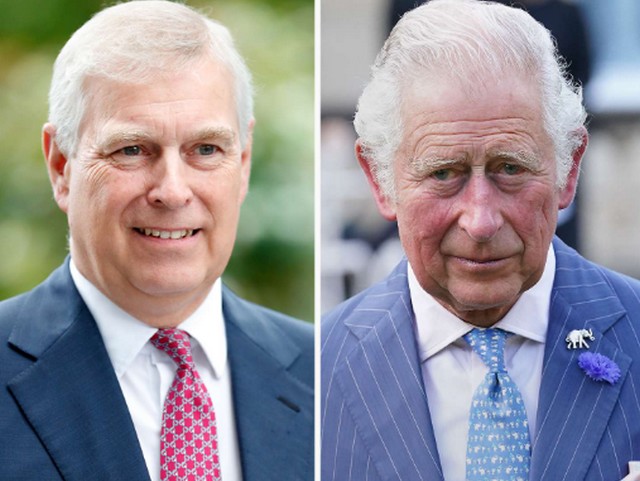 Historically, crises involving the royal family don’t deter tourists; they change the nature of their interest.
Places associated with scandals often see an increase in visitors. Sandringham, the scene of the arrest, could experience a surge in visits from tourists curious to see the gates behind which the event took place.
Unlike the death of Queen Elizabeth II, which sparked a wave of nostalgia and global affection, the Epstein affair touches on darker criminal matters.
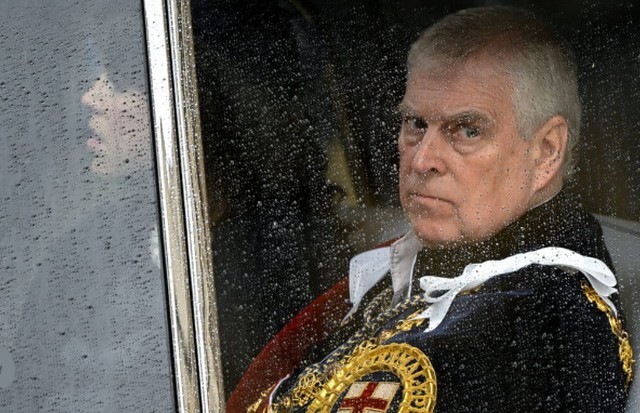 This could tarnish the « fairy tale » image that attracts American and Asian tourists, the pillars of the industry.
A Differentiated Impact Depending on the Type of Site
Royal tourism represents approximately £500 million annually in direct spending.
The Tower of London and Buckingham Palace remain historical monuments whose value exceeds that of the current members of the royal family. The impact there will likely be negligible.
Luxury brands and Windsor hotels with Royal Warrants could see a slight decline in interest if the association with the Crown becomes synonymous with ethical controversy rather than refinement.
 VisitBritain’s Crisis Communication
The national tourism promotion agency will have to pivot.
Expect a massive push to promote culture (museums, music), nature (Cornwall, Scotland), and the major sporting events of 2026 to dilute the media attention surrounding Sandringham.
By isolating Prince Andrew from the official « Firm, » King Charles III is attempting to protect the institution.
If the public perceives that the justice system is doing its job independently, this could paradoxically strengthen the image of a modern and exemplary rule of law, a positive factor for business and conference tourism.