Australia is undergoing a period of major geopolitical reconfiguration, marked by a historical security dependence on the United States and a vital economic interdependence with China. This military alliance, sealed as early as 1951 by the ANZUS Treaty, has intensified over the decades, notably through the QUAD (United States, Japan, Australia, India) and the AUKUS agreement signed in 2021.
Estimated at $230 billion, AUKUS provides for the acquisition by Canberra of nuclear-powered submarines, a crucial project to counter Chinese naval hegemony in the Indo-Pacific.
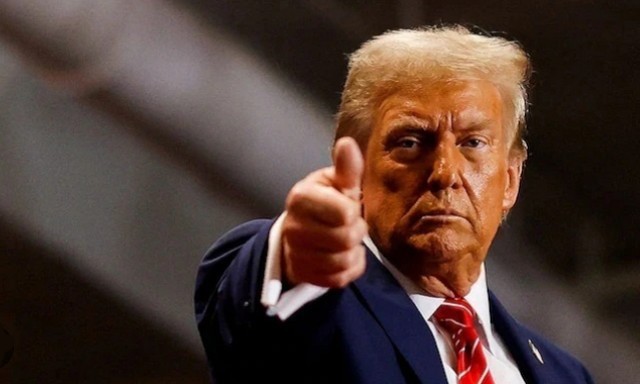 However, Donald Trump’s return to the White House in 2026 is causing serious concern: his unpredictability and protectionist policies lead Australians to fear new tariffs and demands for military guarantees, particularly regarding Taiwan, which are perceived as an infringement on national sovereignty.
This uncertainty weakens the Australian strategy, especially since the delivery of American submarines is experiencing delays, prompting some to suggest a return to European suppliers, despite the diplomatic row with France in 2021 following the cancellation of the Naval Group contract.
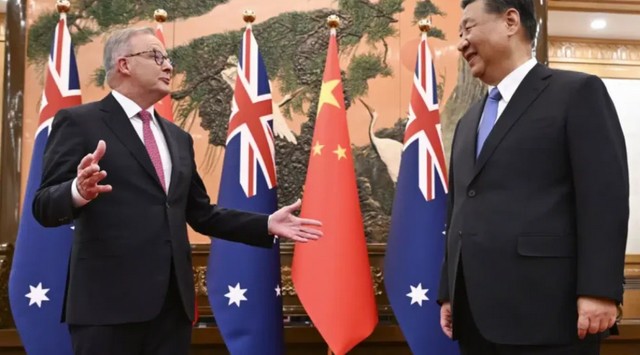 At the same time, the link with China, which absorbs 25% of Australian exports, is weakening due to the Chinese economic slowdown and repeated diplomatic crises.
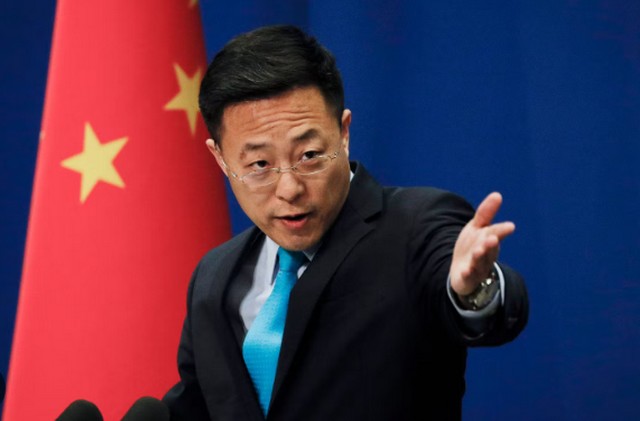 The exclusion of Huawei from Australia’s 5G network in 2018, calls for an independent inquiry into the origins of Covid-19, and criticism of human rights in Hong Kong have triggered severe economic retaliation from Beijing.
With Chinese demand for iron ore projected to decline by 40% over the next 30 years, Australia finds itself at a crossroads, desperately seeking to diversify its trading partners while trying to maintain increasingly expensive and less predictable US protection.