In Malaysia, express buses—the coaches providing strategic links between major inland cities and cross-border routes to Singapore—are facing an unprecedented crisis of confidence following a series of fatal accidents that have highlighted serious safety deficiencies.
The sector was particularly hard hit in January 2024 when a collision between a bus traveling from Singapore to Kuala Lumpur and a motorcycle in Melaka claimed the life of a teenager. However, it was the tragedy of June 2025 that sent shockwaves through the nation: 15 university students perished on the East-West Highway in Perak after their private vehicle… crashed into the back of a multi-purpose vehicle.
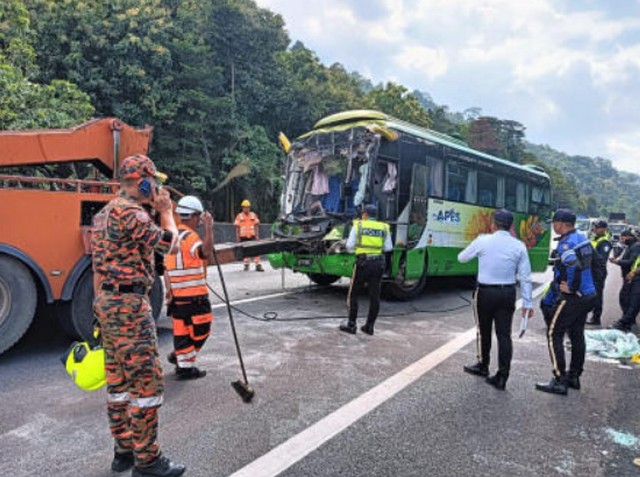 Faced with public outrage, Prime Minister Anwar Ibrahim personally ordered a thorough investigation into the Perak tragedy, triggering a series of immediate measures aimed at restoring passenger safety and comfort.
Authorities announced stricter enforcement of basic safety rules, such as mandatory seatbelt use for all passengers and the absolute requirement of a second driver for long journeys, particularly during holiday periods when traffic is congested.
At the same time, Malaysia is preparing to launch an innovative centralized database designed to identify and remove drivers with poor safety records or a history of serious offenses.
This structural reform, which aims to professionalize a sector previously criticized for its lax standards, marks a turning point in the country’s transport policy to ensure that express buses once again become a reliable mode of transport between the peninsula and the city-state of Singapore.